Aadhaar Biometric Device for Yuva Swabhiman Yojana
Yuva Swabhiman Yojana provides 90 days of employment and 10 days of skill development training to unemployed urban youth aged 21-30 years. Aadhaar-enabled biometric eKYC is used by Nagar Nigams, Nagar Palikas and Nagar Parishads for accurate beneficiary on-boarding and attendance tracking.
Empowering Urban Youth Through Biometric Verification
Yuva Swabhiman Yojana focuses on offering employment to unemployed urban youth between the ages of 21-30 years, targeting the economically poor section of society. The scheme provides paid work for 90 days alongside skill development training (10 days), with a monthly stipend of ₹4,000.
To avail the benefits of this Yojana, applicants must undergo an on-boarding eKYC verification process through Aadhaar-based biometric devices. Nagar Nigams, Nagar Palikas and Nagar Parishads are instructed to employ Aadhaar-based fingerprint scanners for accurate and fraud-free beneficiary verification.
Mantra MFS110 is recommended for Yuva Swabhiman Yojana to carry out efficient verification of beneficiaries at urban local body offices across the state.
How Biometric eKYC Works in Yuva Swabhiman Yojana
eKYC at Nodal Office
Every nodal office carries out the eKYC process of the beneficiaries through an Aadhaar-enabled biometric device - verifying identity against the UIDAI database in real-time.
Skill Mapping & Supervisor Assignment
After eKYC completion, the nodal office assigns the beneficiary a supervisor based on their skills for the 10-day skill development training programme.
Training & Employment Deployment
Beneficiaries receive 10 days of field-based skill training followed by 90 days of paid employment (4 hours/day). SMS notifications keep beneficiaries, nodal officers and supervisors updated throughout.
Benefits of Mantra Biometrics for Urban Employment Schemes
Fraud-free eKYC
Aadhaar-linked biometric authentication ensures only genuine unemployed youth are enrolled - preventing impersonation and duplicate registrations.
Fast Beneficiary On-boarding
Plug-and-play USB fingerprint scanner enables rapid eKYC processing at nodal offices - reducing queue times and administrative burden.
Android & Desktop Ready
Compatible with both Android tablets and Windows desktops - giving Nagar Nigams flexibility in their existing IT setups.
UIDAI L1 Certified
End-to-end encrypted biometric transmission through UIDAI's L1 RD Service ensures legal compliance and data security.
Stipend Accountability
Biometric-verified attendance records ensure stipends of ₹4,000/month reach only genuinely working beneficiaries.
Multi-scheme Reusability
The same Mantra device supports PMKVY, AEBAS, Jeevan Pramaan and other Aadhaar schemes - maximising ROI for urban local bodies.
Mantra Device for Yuva Swabhiman Yojana
Discover the officially recommended STQC certified, Aadhaar-compliant device for efficient beneficiary verification at urban local body offices.
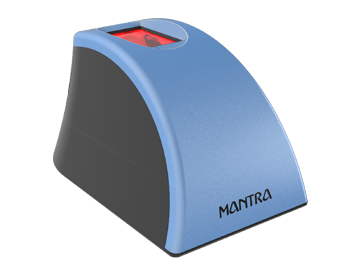
L1 Fingerprint Scanner MFS110
Mantra MFS110 is the officially recommended biometric device for Yuva Swabhiman Yojana eKYC verification. UIDAI L1 certified with auto-capture and scratch-free sensor.
Questions on Yuva Swabhiman Biometrics
Quick answers on biometric eKYC for Yuva Swabhiman Yojana urban employment scheme.
What is Yuva Swabhiman Yojana?
Yuva Swabhiman Yojana is a state government scheme targeting unemployed urban youth (21-30 years) from economically poor backgrounds. It provides 90 days of paid employment (₹4,000/month stipend) and 10 days of skill development training, administered by urban local bodies including Nagar Nigams, Nagar Palikas and Nagar Parishads.
Why is Aadhaar biometric required for this scheme?
Aadhaar-based biometric eKYC ensures only genuine unemployed youth from the target demographic are enrolled. It prevents duplicate registrations, ensures stipend payments reach verified individuals, and provides an auditable attendance record for each working day.
Which Mantra device is recommended for Yuva Swabhiman Yojana?
Mantra MFS110 L1 Fingerprint Scanner is officially recommended for Yuva Swabhiman Yojana eKYC verification. It meets all UIDAI L1 standards required for Aadhaar-based authentication and is compatible with the software systems used by urban local bodies.
Can the same device be used for other government schemes?
Yes. Mantra MFS110 is a universal Aadhaar L1 biometric device that also serves PMKVY, Jeevan Pramaan, AEBAS, DigiLocker, BHIM, AePS, CSC e-Services, NDLM, VTP and other government digital India programmes - providing full scheme coverage from a single device investment.
Deploy Biometric eKYC for Yuva Swabhiman Yojana
Mantra supplies UIDAI-approved biometric scanners to Nagar Nigams, Nagar Palikas and Nagar Parishads for accurate beneficiary verification across urban employment schemes.